
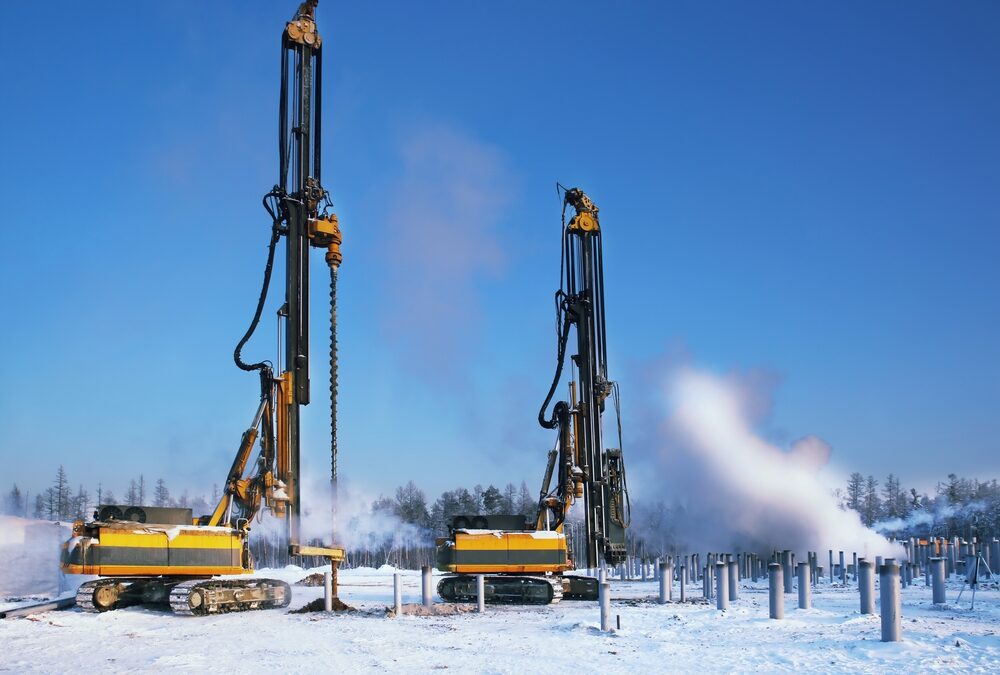
Directional drilling operations face unique challenges when conducted during the winter months. Frigid temperatures, snow, and ice can make drilling more difficult and hazardous. However, with careful planning and preparation, operators can minimize risks and execute successful drilling programs despite harsh winter conditions.
Assess Conditions
The first step is thoroughly assessing the local conditions at the drilling site. Evaluate the average temperatures, precipitation, wind speeds, snow and ice accumulation potential, and other weather factors. Understanding the on-site climate will inform how equipment and procedures are adapted. Operators in extremely cold regions like Alaska need more robust preparations than those drilling in more temperate winter climates.
Prepare Equipment
All equipment exposed to the elements needs proper winterization to withstand freezing temperatures, wind, snow, and ice. For the rig, inspect and service all fluids, engines, pumps, lines, controls, and power systems. Equipment containing water or other liquids needs antifreeze added or draining to prevent freezing and cracking. Pumps and engines should have cold start aids installed. The rig and all vehicles require arctic engine oil, diesel fuel conditioners, and transmission grease.
Check drilling tools and pipes for flawed or fatigued parts that could weaken further at cold temperatures. Stock extra drill bits and tools for increased wear from abrasive ice and hard frozen ground. The pipe needs a thorough inspection to identify cracks or defects that may worsen. Apply thread compounds to prevent threads from seizing up.
Clear Accumulated Snow and Ice
Frequent snowfall and drifting will require diligent snow removal around the rig, equipment, and site roads. Build up snow berms to channel drifting snow away from the location. Roadways need consistent plowing, de-icing agents, and sand for traction. Inspect rigs, platforms, stairs, and walkways constantly for ice accumulation and either chip away or melt with salt as needed. Neglected snow and ice significantly increase slip and fall hazards.
Keep a Warm Supply of Consumables
The frigid temperatures accelerate the consumption of certain supplies. Fuel and lubricants need constant warming and circulation to prevent gelling up—house methanol drums and other fluids in heated enclosures to keep them viscous. Provide portable heaters in doghouses, equipment shacks, and break areas so personnel can periodically get warm. Have a surplus of fresh water available since lines may freeze up.
Adjust Worker Schedules and Breaks
Working long shifts performing manual labour outdoors in the extreme cold takes a significant physical toll on personnel. Adjust shift schedules to use shorter rotations with more frequent breaks. Establish warm-up areas where workers can regularly get out of the elements. Have emergency medical technicians on standby in case anyone succumbs to cold or altitude sickness. Provide nutrition breaks with hot liquids and high-calorie foods.
Mitigate Wind Exposure
Strong winds exacerbate the chilling effect of cold temperatures. If possible, utilize natural barriers like hills, trees, or structures to block prevailing winds. On exposed sites, bring in temporary windbreaks and enclosures. Orient equipment to minimize the surface area facing the wind. Ensure the rig’s brake system can hold against gusts that may blow the mast around. Avoid critical lifting operations when winds exceed safe thresholds.
Directional drilling in winter presents unique hazards, including extreme cold, snow, wind, and ice. However, with careful planning and diligent mitigation measures, Taber Solids Control delivers safe and effective directional drilling equipment despite harsh conditions. Our experienced crews have specialized expertise operating in northern climates during the winter. Contact us today to learn more.