
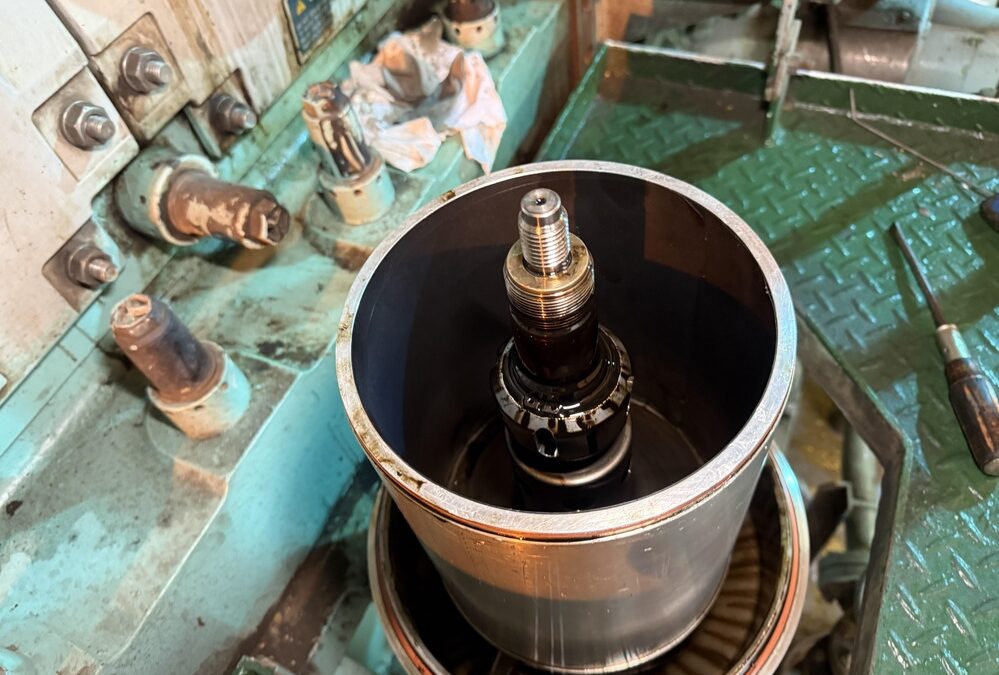
As winter approaches, it’s essential for industries in Edmonton that depend on dewatering to ensure their oil centrifuges and filtration equipment are well-maintained. The cold weather can pose unique challenges, and proper maintenance can extend your equipment’s lifespan, reduce downtime, and enhance operational efficiency. Here are some crucial winter maintenance tips for your centrifuges.
1. Regular Inspections
Before the deep freeze sets in, conduct a thorough inspection of your centrifuge and filtration system. Look for any signs of wear and tear, rust, or corrosion that could worsen in colder temperatures. Particular attention should be paid to seals, joints, and gaskets, as these parts are prone to failures in harsh conditions. Check for any loose components and ensure all fittings are secure.
2. Clean Thoroughly
Just like standard centrifuge maintenance, cleanliness is vital during the winter months. Remove any residual fluid or sludge from your equipment to prevent crystallization or freezing, which can hinder functionality. A neutral detergent is recommended for cleaning; avoid harsh chemicals that can damage the surfaces. Wipe down all components and ensure that drainage areas are clear of blockages.
3. Lubricate Moving Parts
Winter can cause lubricants to thicken, making it harder for moving parts to operate smoothly. Use appropriate lubricants designed for cold temperatures to ensure all moving parts function efficiently. Apply lubricant to bearings, rotor shafts, and any other areas where friction occurs. If you’re unsure which lubricants are right for your equipment, consult your equipment’s manual or reach out to a professional for guidance.
4. Monitor Temperature Levels
Ensure that your centrifuge operates within its specified temperature ranges. Winter can cause temperature fluctuations that affect performance. Consider investing in insulation or a heating source for your facility to maintain an appropriate operating temperature. Avoid allowing your centrifuge to freeze, as this can cause severe damage.
5. Check Power Supply
Cold weather can affect electrical systems. Verify that your centrifuge’s power supply is stable and functioning properly, checking for loose connections or damaged wiring. Given that harsh conditions can increase the likelihood of electrical issues, make sure to conduct these checks regularly.
6. Drain All Fluids Before Shutdown
If you plan to store your centrifuge over the winter, drain all fluids from the system to prevent freezing. Leaving any oils or chemicals in the centrifuge can cause significant damage if they freeze. Follow manufacturer guidelines for winterizing your equipment to avoid complications when restarting in the spring.
7. Allow for Proper Ventilation
Sometimes, condensation can occur in cold weather. Ensure your workspace has adequate ventilation to minimize moisture buildup. Excess moisture can lead to corrosion of vital equipment components, which can be detrimental to your centrifuge’s longevity.
8. Invest in Centrifuge Rentals if Necessary
If your current equipment is not performing as expected, consider renting a centrifuge during peak operating hours. Renting a centrifuge in Edmonton can provide a temporary solution while allowing you to perform necessary maintenance on your existing equipment without sacrificing productivity.
9. Follow Manufacturer Guidelines
Every centrifuge and filtration system has specific maintenance guidelines provided by the manufacturer. Make sure to follow these recommendations closely; they often include tailored winter maintenance advice. If further assistance is needed, don’t hesitate to reach out to industry professionals.
10. Document All Maintenance Activities
As you perform maintenance, keep thorough records. Documentation not only helps track what has been done but also helps spot recurring problems. Having an organized maintenance log can prevent costly repairs and ensure all personnel are on the same page regarding equipment health.
Conclusion
Winter maintenance for oil centrifuges and filtration equipment is crucial for ensuring operational efficiency during the colder months. By conducting regular inspections, cleaning thoroughly, and following manufacturer guidelines, you can mitigate risks and maintain the integrity of your equipment. If you need assistance or want to explore centrifuge rental options in Edmonton, contact Taber Solids Control. Our experienced technicians are here to provide effective solutions tailored to your dewatering needs in Edmonton. Stay prepared this winter and keep your operations running smoothly!