
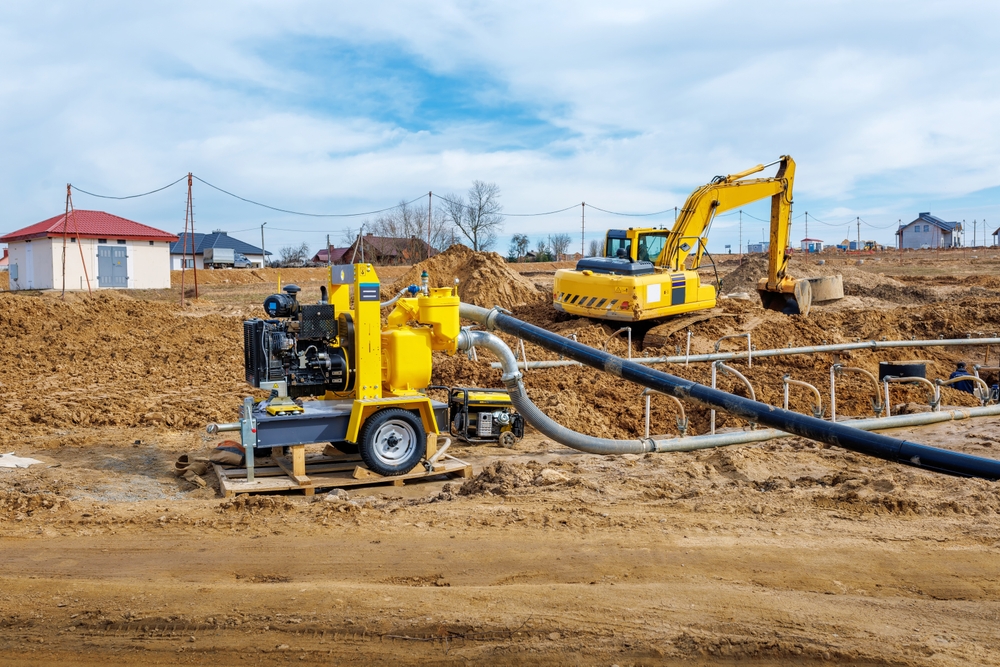
Municipal and industrial lagoons play a critical role in storing and treating wastewater across Alberta. Over time, however, solids accumulate at the bottom of these systems, reducing storage capacity and impacting treatment performance. If left unaddressed, excessive sludge buildup can lead to operational inefficiencies, regulatory concerns, and increased maintenance costs. This is where centrifuge dewatering becomes an effective solution.
Understanding when a lagoon requires dewatering can help operators maintain compliance, improve system performance, and avoid costly disruptions.
Why Sludge Accumulation Matters
Every wastewater lagoon naturally collects solids as part of the treatment process. Organic matter, sediments, and suspended particles gradually settle and form sludge layers on the lagoon floor. While some accumulation is expected, excessive sludge can create several challenges.
As sludge volume increases, available water storage decreases. This can reduce the lagoon’s ability to handle peak flows, seasonal runoff, or unexpected surges in wastewater volume. In addition, excessive sludge may contribute to odours, reduced treatment efficiency, and difficulties meeting discharge requirements.
For facilities focused on effective wastewater management, monitoring sludge levels is an essential part of long-term operational planning.
Key Signs a Lagoon May Need Dewatering
One of the most obvious indicators is a noticeable reduction in lagoon capacity. If water levels rise more quickly than expected or available storage continues to shrink, sludge accumulation may be the cause.
Poor treatment performance is another warning sign. When sludge occupies too much space, wastewater may not receive adequate retention time for proper treatment. This can affect water quality and potentially create compliance concerns.
Increased odour complaints, higher maintenance requirements, and difficulty managing seasonal flow fluctuations can also indicate that dewatering should be considered. Routine inspections and sludge surveys help operators identify these issues before they become major problems.
How Centrifuge Dewatering Helps
Centrifuge dewatering is a highly efficient process that separates water from sludge using high-speed rotational force. The system removes excess moisture from solids, producing a drier material that is easier and more cost-effective to transport and dispose of.
Compared to traditional drying methods, Centrifugal dewatering offers faster processing times and greater flexibility. It can often be completed with minimal disruption to ongoing lagoon operations. By significantly reducing sludge volume, operators can restore lagoon capacity, improve treatment performance, and extend the service life of existing infrastructure.
Benefits for Municipal and Industrial Facilities
For municipalities, dewatering can help maintain reliable wastewater treatment while reducing the need for costly lagoon expansions. Industrial facilities benefit from improved operational efficiency and better management of waste streams.
The growing emphasis on water treatment in Edmonton services and environmental stewardship has also increased interest in advanced sludge management solutions. Dewatering supports these efforts by making waste handling more efficient and helping operators meet environmental objectives. In many cases, proactive sludge removal is far more economical than waiting until lagoon performance declines significantly.
Planning for Long-Term Success
Lagoon maintenance should be viewed as an ongoing process rather than a one-time event. Regular monitoring, sludge assessments, and long-term maintenance planning help operators determine the ideal timing for dewatering projects. By addressing sludge accumulation before it affects system performance, municipalities and industrial facilities can reduce risk, maintain compliance, and optimize their waste water treatment operations.
Keep Your Lagoon Operating at Its Best with Taber Solids Control!
Effective sludge management starts with the right partner. Taber Solids Control provides professional centrifuge dewatering solutions designed to restore lagoon capacity, improve operational efficiency, and simplify waste handling.
Our team works with municipal and industrial operators to deliver reliable, cost-effective results that support long-term wastewater management goals and regulatory compliance.