
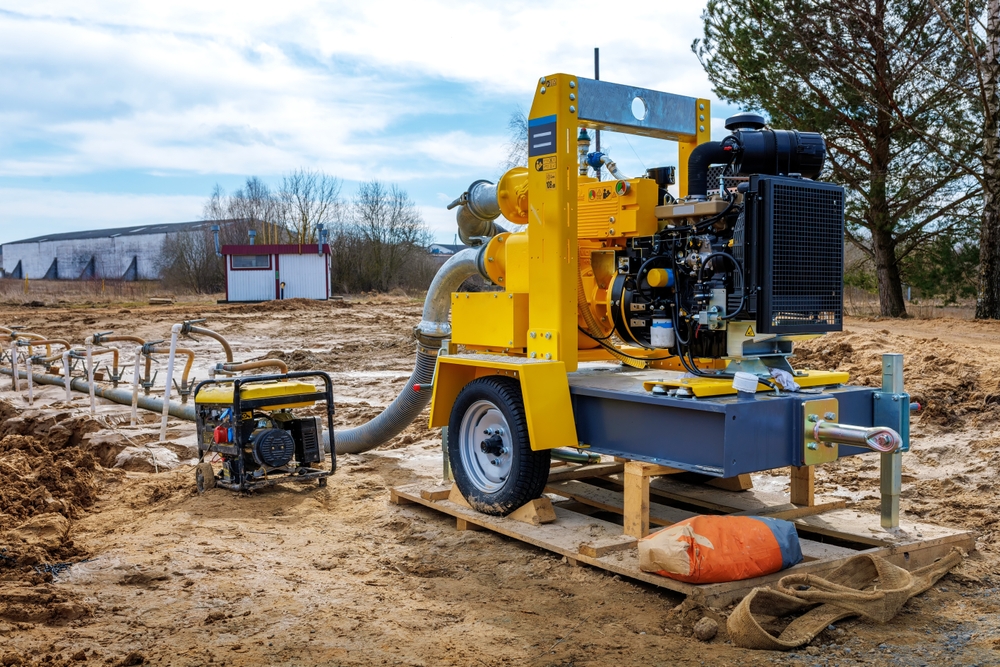
Hydrovac excavation has become an essential service across Alberta, particularly for utility locating, pipeline maintenance, construction projects, and infrastructure development. While hydrovac technology offers a safe and efficient excavation method, it also generates significant volumes of slurry waste. Managing this waste responsibly has become a growing concern for contractors seeking to maintain regulatory compliance while controlling disposal costs. One of the most effective solutions available today is centrifuge dewatering.
Understanding Hydrovac Slurry Waste
Hydrovac slurry is a mixture of soil, water, clay, sand, and other materials removed during excavation. Depending on the project location and soil composition, this waste can vary significantly in consistency and volume.
Traditionally, contractors often transported slurry directly to disposal facilities. However, increasing transportation costs, landfill restrictions, and environmental regulations have encouraged the adoption of more advanced waste processing methods. This is where effective wastewater management strategies play a critical role. Proper treatment and separation of slurry materials can significantly reduce waste volumes while improving compliance with provincial and municipal requirements.
How Centrifuge Dewatering Works
Centrifugal dewatering uses high-speed rotational force to separate solids from liquids within hydrovac slurry. As the material enters the centrifuge, heavier solid particles are forced outward while clarified water is separated and collected.
This process dramatically reduces the moisture content of the remaining solids, creating a more manageable waste product that requires less transportation and disposal capacity. Because dewatering efficiently separates materials, contractors can often reduce hauling requirements and lower overall waste management expenses.
Benefits for Alberta Contractors
One of the primary advantages of Centrifugal dewatering is volume reduction. By removing excess water from slurry waste, contractors can significantly decrease the amount of material requiring transportation and disposal.
Another major benefit is improved environmental compliance. Regulatory agencies increasingly emphasize responsible wastewater management practices that minimize environmental impact. Dewatering systems help contractors meet these expectations by enabling more effective treatment and disposal processes.
Cost savings are also substantial. Reduced hauling frequency, lower disposal fees, and improved operational efficiency can contribute to significant long-term savings across multiple projects. Additionally, dewatering equipment can help accelerate project timelines by reducing delays associated with waste handling and transportation logistics.
Supporting Water Treatment Efforts
As sustainability becomes a greater priority throughout Alberta’s construction and industrial sectors, the importance of water treatment in Edmonton services continues to grow. Dewatering technologies support broader water treatment objectives by facilitating the separation and management of contaminated or sediment-laden water.
In some applications, recovered water may undergo additional treatment before being reused or discharged according to local regulations. This contributes to more responsible resource management while reducing environmental impact.
Simplify Slurry Waste Management with Taber Solids Control!
Looking for a smarter way to handle hydrovac waste? Taber Solids Control provides advanced centrifuge dewatering solutions designed to reduce disposal costs, improve operational efficiency, and support environmental compliance. Our team can help contractors manage challenging slurry waste with reliable, industry-proven technology. Partner with Taber Solids Control to optimize your waste management process and keep your projects running smoothly from start to finish.