
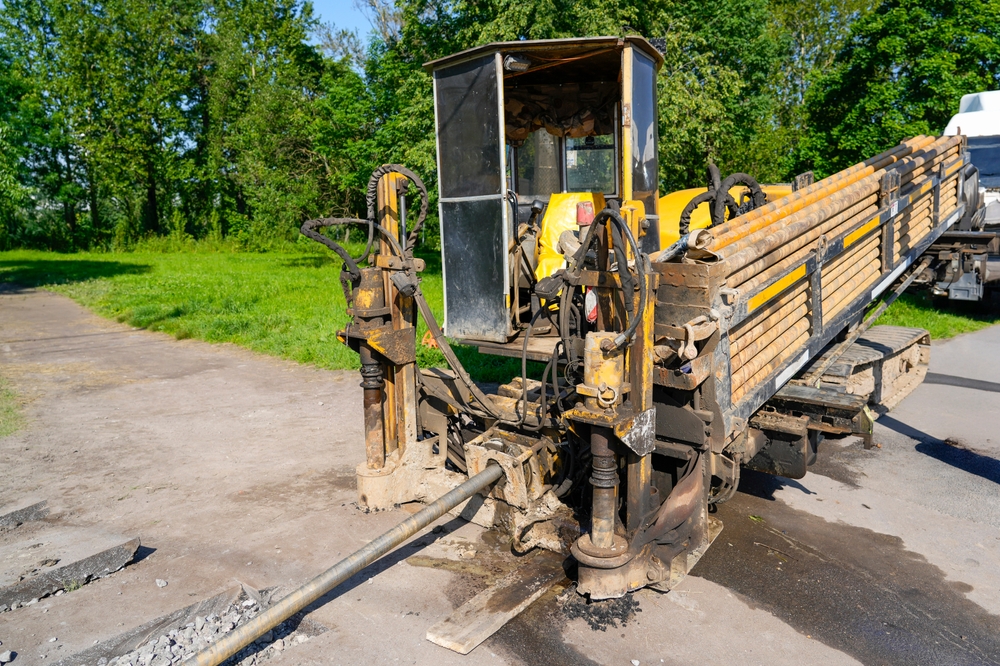
In the ever-evolving landscape of construction and utility installation, minimizing disruptions to existing infrastructure is paramount. This is particularly true in urban environments where space is limited and the existing utilities are extensive. One technology that has emerged as a game-changer in this regard is directional drilling. In Edmonton, where construction activity is robust, understanding the benefits of directional drilling can significantly enhance project efficiency and environmental stewardship.
What is Directional Drilling?
Directional drilling is a trenchless technology used to install underground utilities like pipelines, cables, and conduits. This method involves drilling a small hole underground while steering the drill head to navigate around obstacles and existing infrastructure. Unlike traditional excavation methods, which often involve large-scale digging and disruption, directional drilling allows for the installation of utilities with minimal surface impact.
Preserving Surface Infrastructure
One of the key advantages of directional drilling is its ability to preserve existing surface structures. In urban areas, the presence of roads, sidewalks, and landscaped areas can complicate construction projects. Traditional excavation methods often result in significant surface disruption, requiring extensive repairs and causing aesthetic damage to public spaces. In contrast, directional drilling only requires small entry and exit pits, significantly reducing the need for extensive excavation.
By avoiding the need to tear up roads, directional drilling not only reduces repair costs but also maintains the integrity of urban landscapes. This is crucial in cities like Edmonton, where preserving the aesthetic and functional aspects of public spaces is essential for community enjoyment and safety.
Reducing Traffic Disruptions
Construction projects in populated areas often lead to traffic delays and community inconveniences. Traditional trenching methods can block roads for extended periods, disrupting daily life for residents and businesses. In contrast, directional drilling minimizes these disruptions by keeping most of the work underground.
With smaller entry and exit pits, the impact on surface traffic is significantly reduced. Vehicles can continue to flow without interruption, and the overall time required for construction is shortened. This is particularly beneficial in busy urban centers, allowing communities to function normally even during extensive infrastructure upgrades.
Environmental Benefits
The environmental impact of construction is a growing concern in today’s world. Traditional excavation methods can lead to soil erosion, damage to ecosystems, and disruption of wildlife habitats. Directional drilling offers an environmentally friendly alternative by minimizing soil disturbance and preserving the natural landscape.
For projects in environmentally sensitive areas, directional drilling is the preferred choice. It protects trees, water bodies, and other natural features, thereby reducing the overall ecological footprint of construction activities. This is particularly relevant in Edmonton, where preserving natural resources is a priority for both residents and local authorities.
Avoiding Utility Interference
Another significant advantage of directional drilling lies in its ability to avoid interference with existing underground utilities. Traditional excavation methods pose a risk of accidental damage to water lines, gas pipes, and communication cables, leading to costly delays and safety hazards.
With advanced technology such as GPS and sensors, directional drilling allows for precise drilling paths that steer clear of obstacles. This not only reduces the risk of damaging existing utilities but also enhances the safety of the installation process. In an urban environment like Edmonton, where underground infrastructure is intricate, this capability is invaluable.
Accelerating Project Timelines
Time is often a critical factor in construction projects. Traditional excavation involves extensive preparation, digging, and surface restoration, which can lead to significant delays. Directional drilling simplifies the process, allowing for faster and more efficient installations.
With minimal surface restoration required after the installation of utilities, projects can be completed more quickly. This efficiency not only minimizes disruptions but also results in cost savings for developers and contractors.
Conclusion
Directional drilling has revolutionized the way utilities are installed, particularly in urban environments where existing infrastructure must be preserved. In Edmonton, the benefits of directional drilling cannot be overstated. This innovative technique represents the future of construction by minimizing surface disruption, reducing environmental impact, and ensuring smooth operations.
If you’re considering a construction project that requires utility installation, partnering with experts in directional drilling can help you achieve your goals with minimal disruption. Taber Solids Control is committed to providing effective and environmentally friendly solutions tailored to your needs. Embrace the future of construction with directional drilling and ensure your projects proceed smoothly and efficiently.